Overview

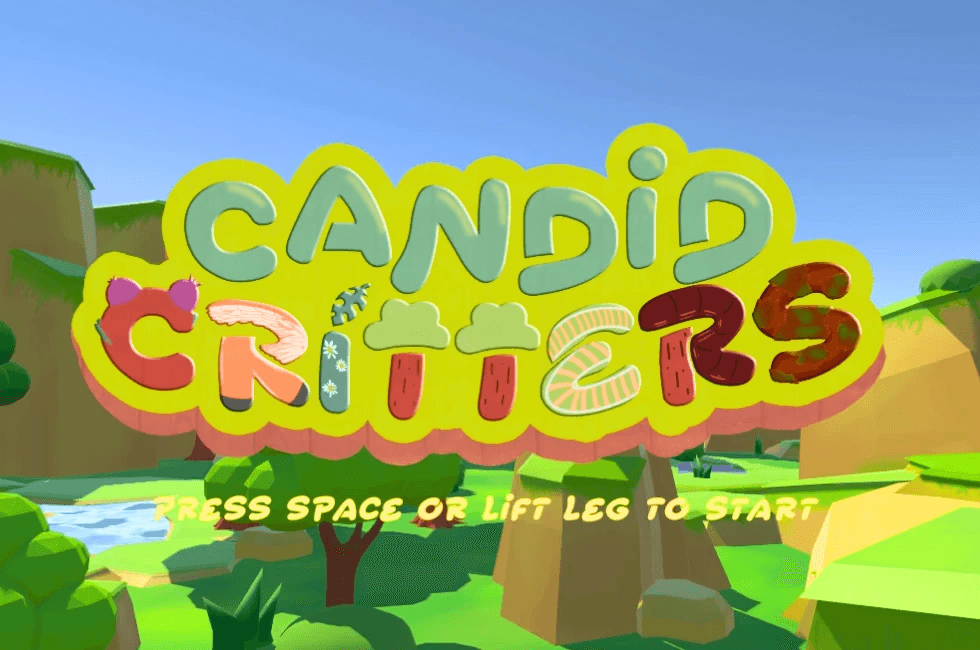
A camera snap game for stroke rehabilitation.

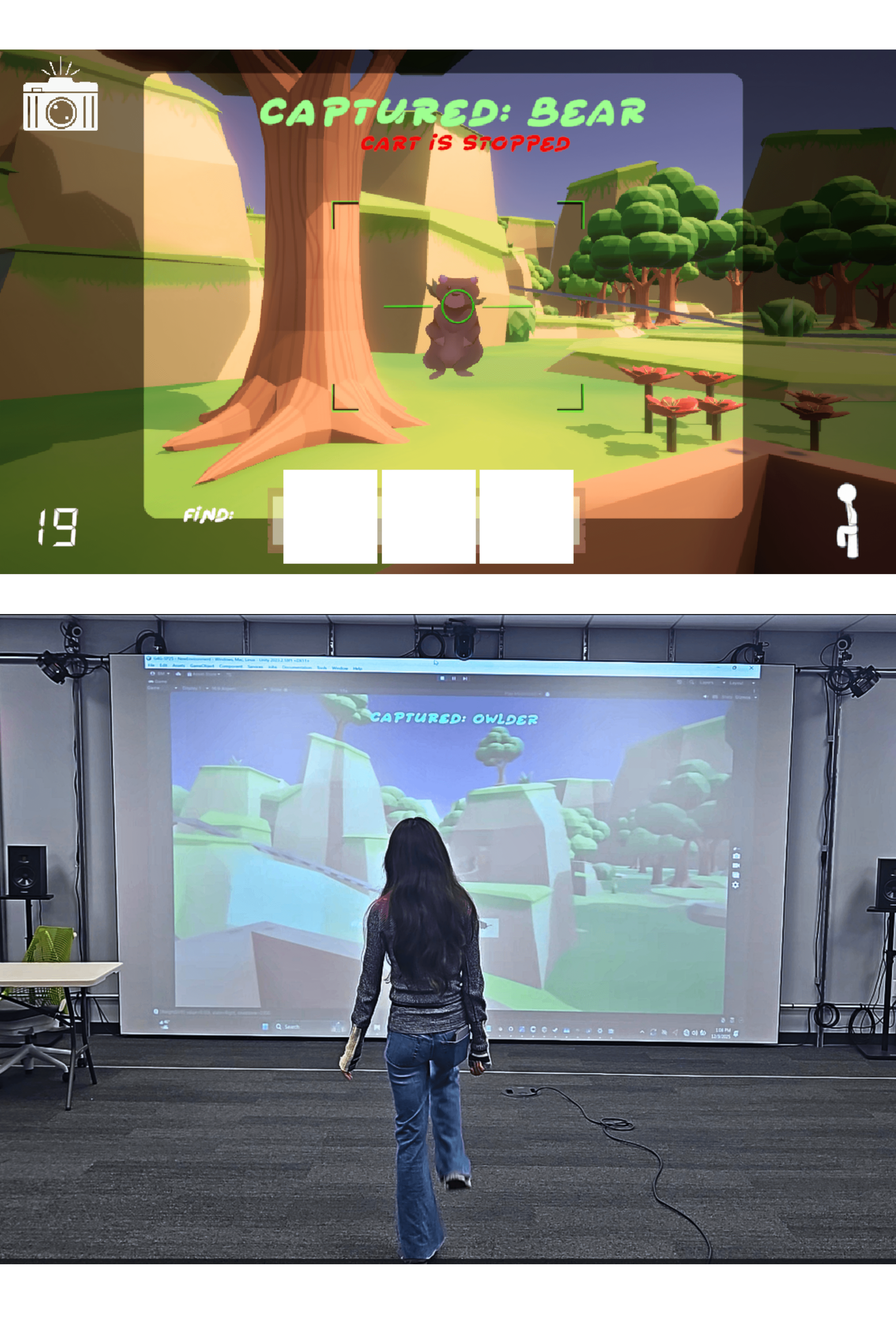
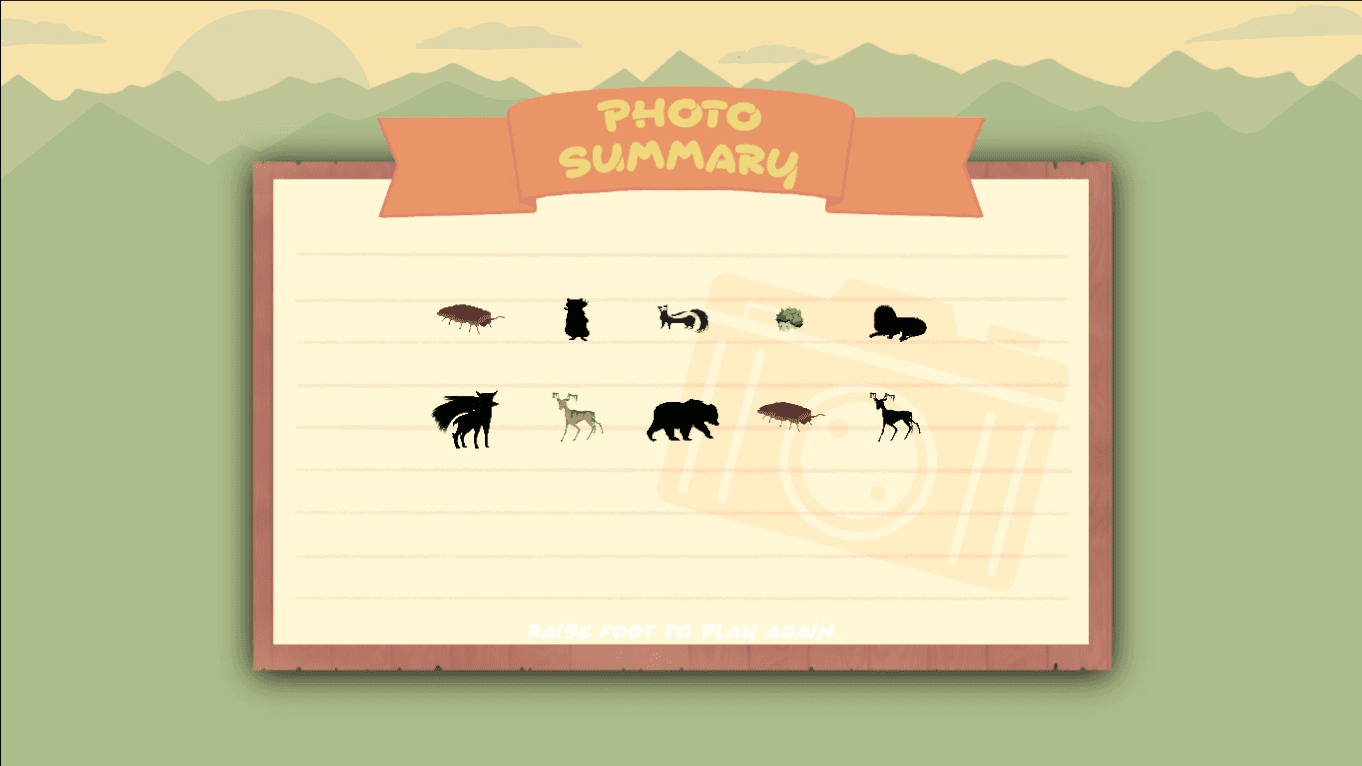
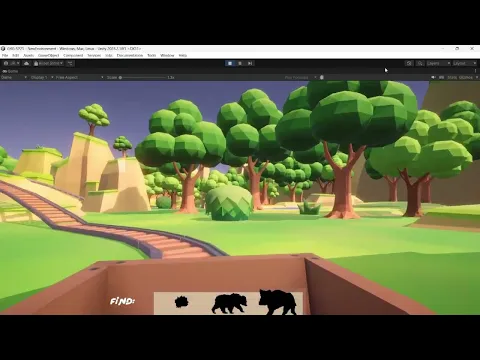
Using motion capture technology combined with rehabilitation exercises designed for post-stroke patients in the recovery process; see the sights of a beautiful forest and nestled in a calming mountain range, lift up your camera to take the perfect candid and recall all you’ve discovered throughout your journey.

Candid Critters is currently being submitted to University of Texas Institutional Review Board (IRB) for testing with human subjects. Once this has been completed (March or April 26) testing with stroke survivors and their caregivers will be conducted through April and potentially summer of 2026.
TIME FRAME

1 Semester

(8/22/25 - 12/15/25)

ROLE

Game Designer

3D Artist

SOFTWARE USED

Unity

QTM Captury (motion tracking software)

Blender 3D

About this Project

Our class collaborated with healthcare researcher Dr. Hao-Yuan Hsiao from UT Dell Medical Center, who is currently focusing in gait rehabilitation in stroke survivors, creating a video game experience using motion capture technology to assist in stroke survivors movement exercises.

I worked on a team of 6 to develop a game using exercises Dr. Hao is currently using for his patients. Dr. Hao directly informed us of which exercises his patients perform and showed us what exactly is expected of his patients from early to late rehabilitation development.

A crucial part of the rehabilitation process is patients continuing to stay motivated and not being discouraged by their lack of mobility. Using this information we designed a game that would not punish players for making wrong steps, instead guides them through the process and allows procession as the movements are completed. The game has patients performing these tasks in a fun and interested gamified way, promoting encouragement to complete the process without discouragement.

Research

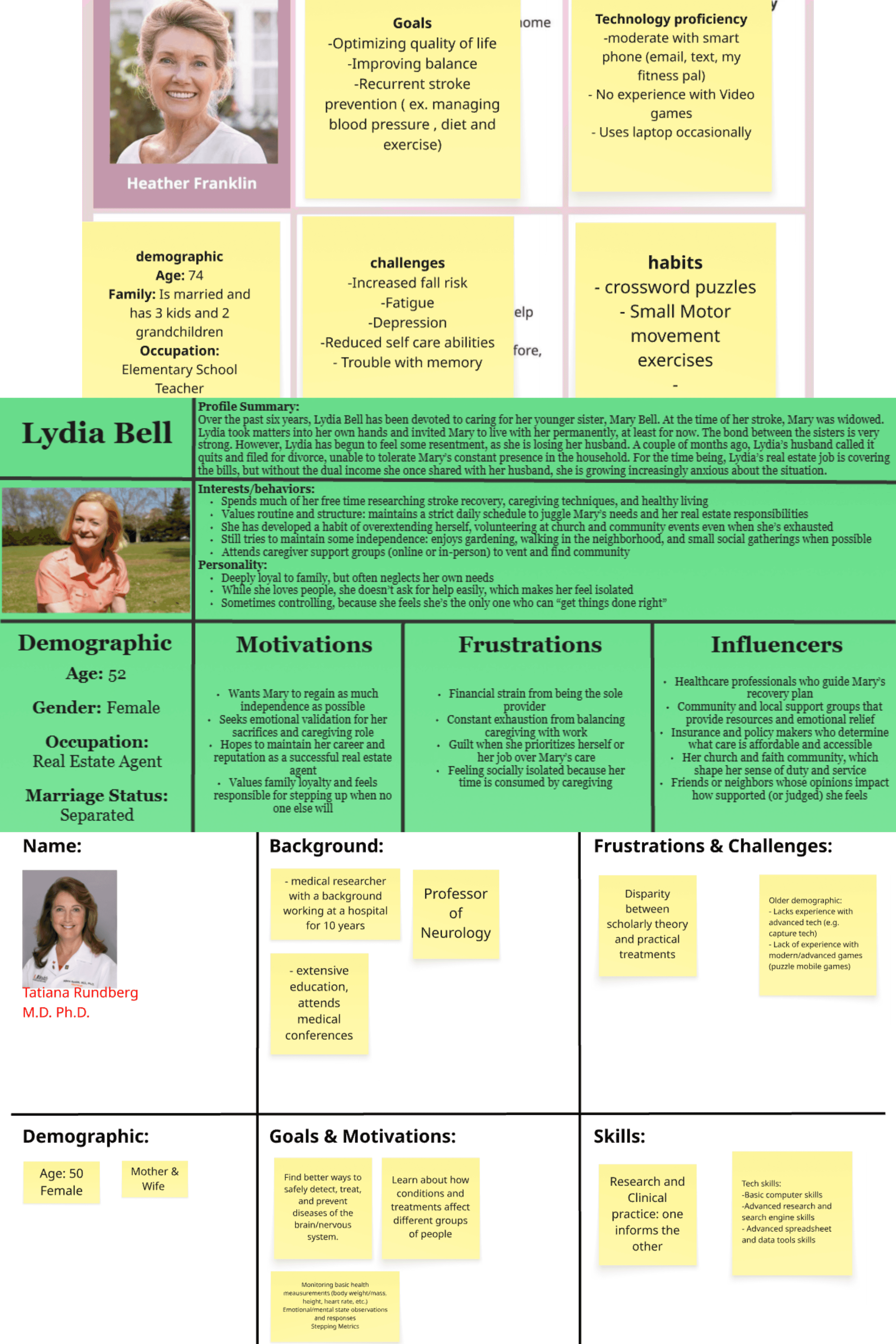
This type of project requires extensive research about our potential users and certain pain areas and challenges that we meant to solve with our project.

Not only considering stroke survivors themselves, but also family caregivers and doctors/healthcare professionals.

We completed this by communicating with Dr. Hao, interviewing real stroke patients, and researching types of video game technology that was already existing in relation to mobility sciences.

Art Bible

Our art team spanned 2D and 3D: We played to the strengths of our teams abilities by having our game utilize a mash up of 2D animals walking in a 3D environment. Paper Mario (top left) was used a the main inspiration for a successful 2D 3D mix game, and Pokemon Snap (top right) as a successful camera snap game.

Because our game was crossing mediums, art direction had to be well communicated to ensure a cohesive final product. We established an Art Bible shown below: A polished slice art reference that would dictate the games look.

3D Production

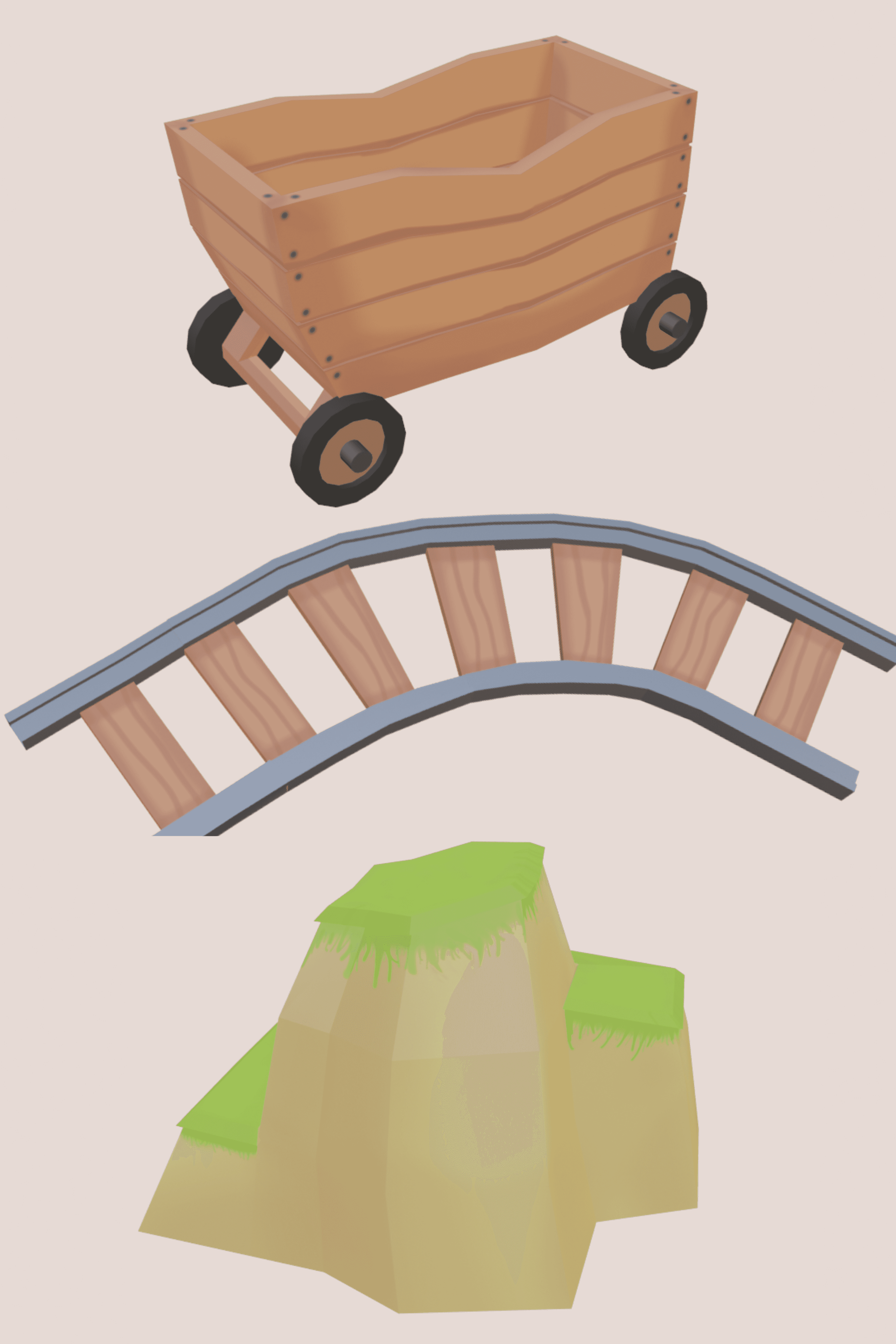
As the sole 3D artist on the team, I created all of the models and textures. As someone with prior 3D and Unity experience, this put me in the position of being in charge of asset implementation into Unity as well. 3D assets were modeled geometrically and had painterly stylized textures, to fit the cartoonish feel of the game.

Map Design

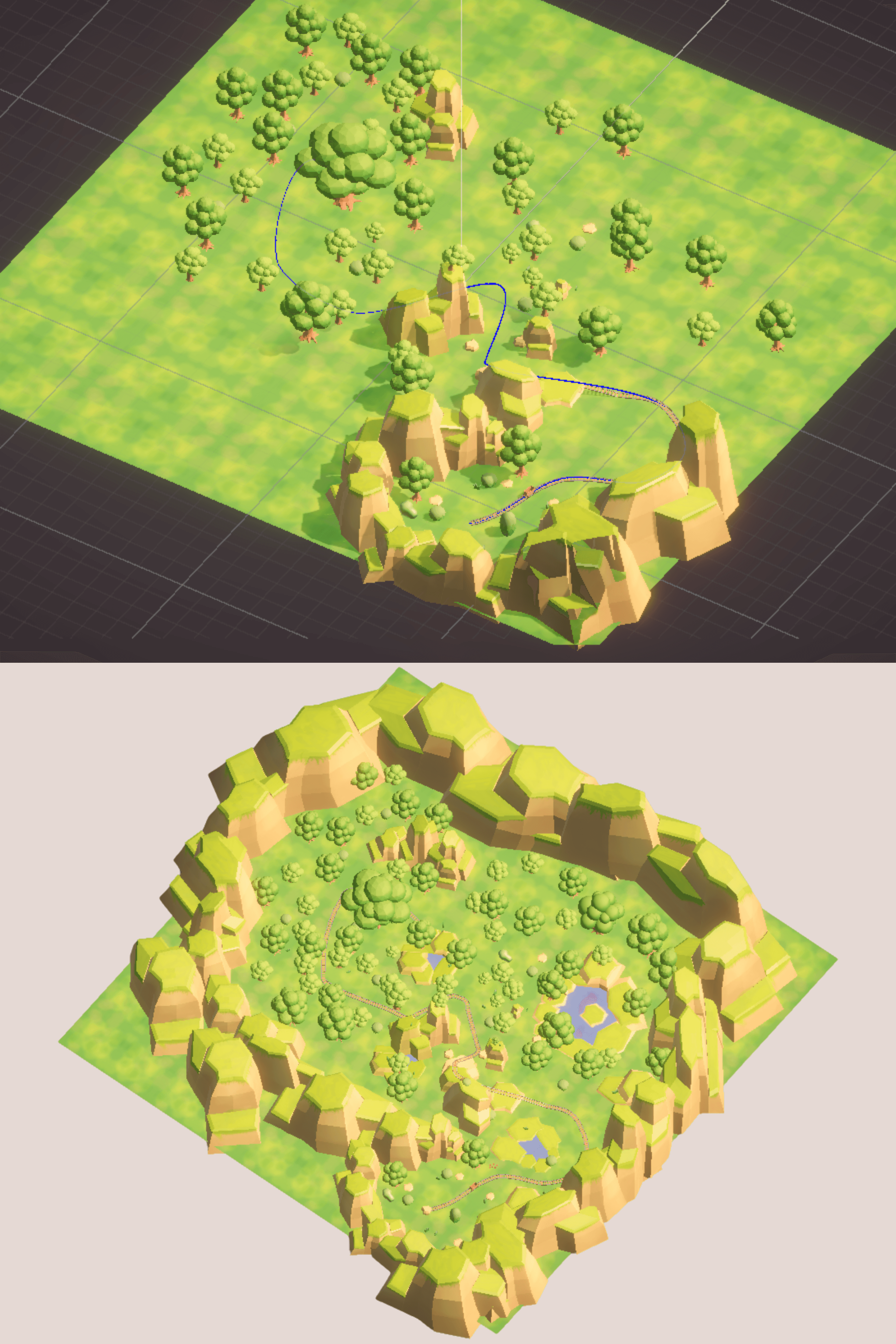
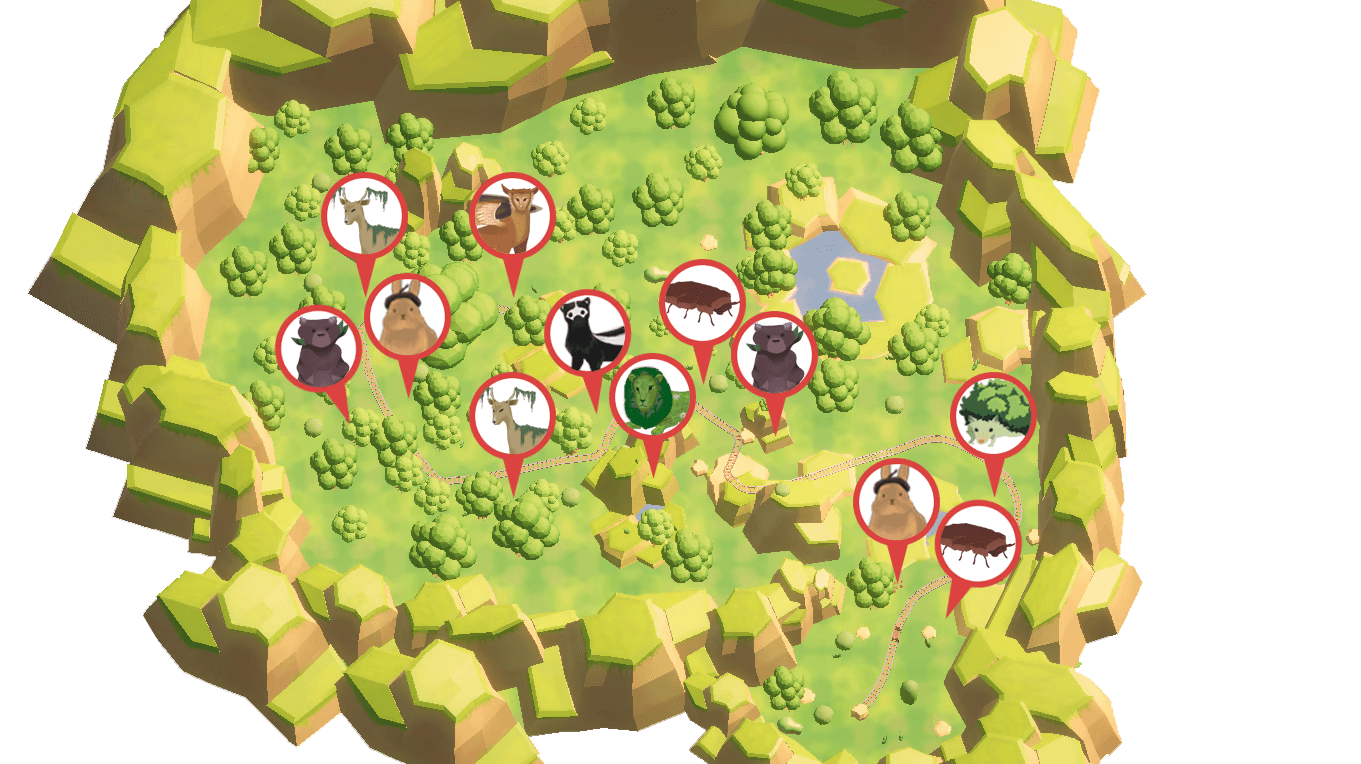
As the asset implementor, and the main user of the actual Unity project, I also took on the role of level design, as it was ultimately up to me where each animal was placed, and how the tracked path looked on the map. I strategically placed the first animals a bit far from the staring point, to give users a chance to feel the base controls of the game without being overwhelmed, and then adding on more complicated areas later on.

Leaning Demo

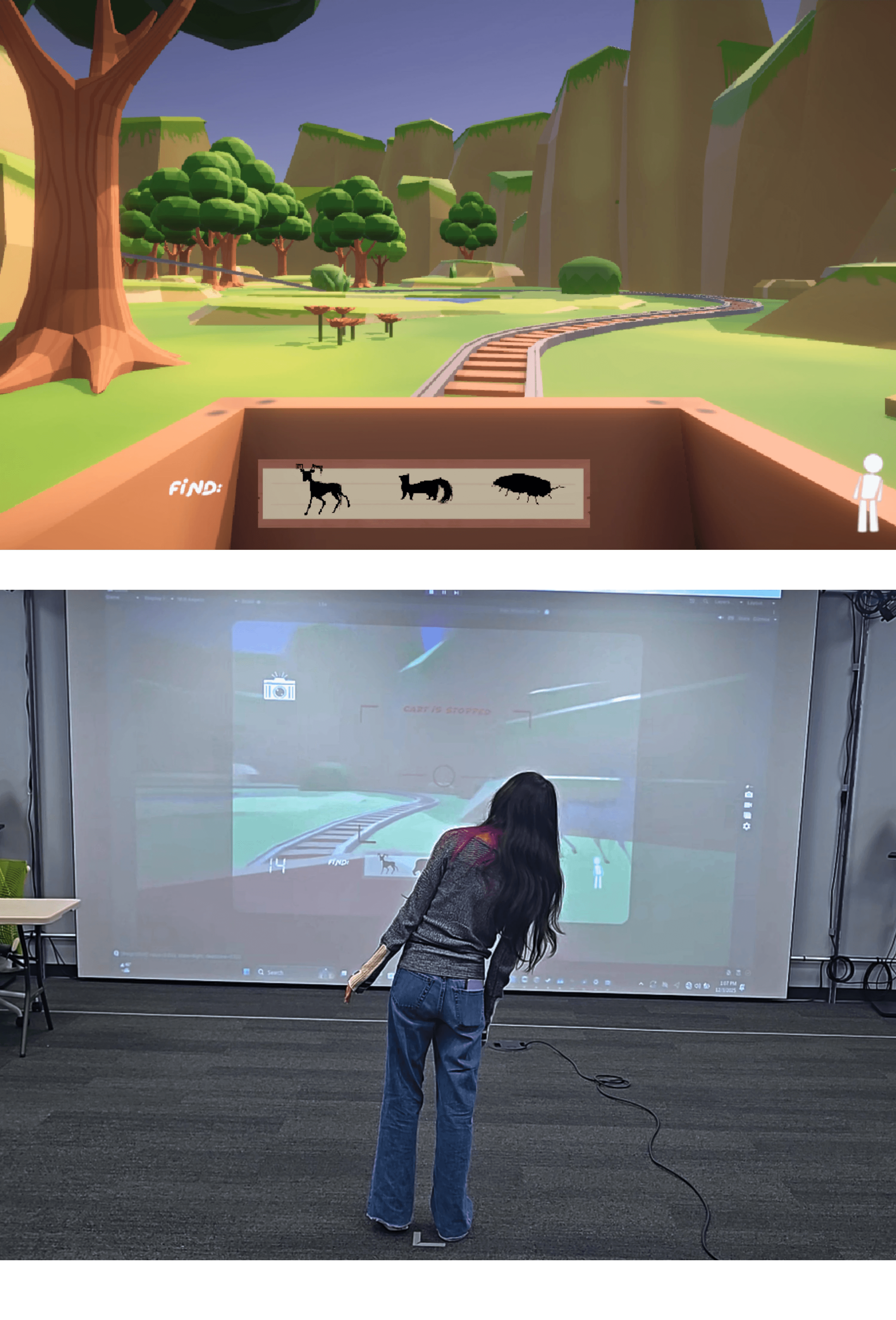
Leaning from side to side will pan the camera left and right to see more areas of the map.

Leg Lift Demo

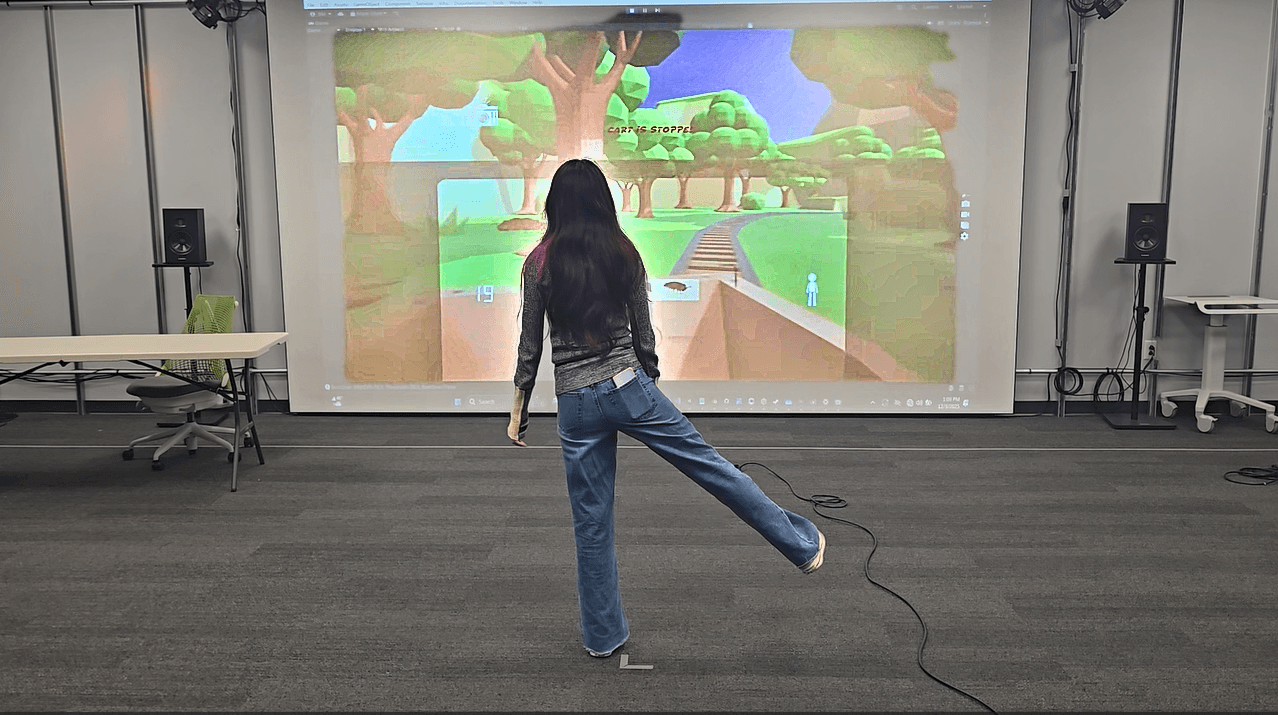
Lifting the leg opens up the camera, which users can then use to take a photo of the passing animal.

Finalized Map Guide with Animal Encounter layout

Lets Get in Touch!

Create a free website with Framer, the website builder loved by startups, designers and agencies.